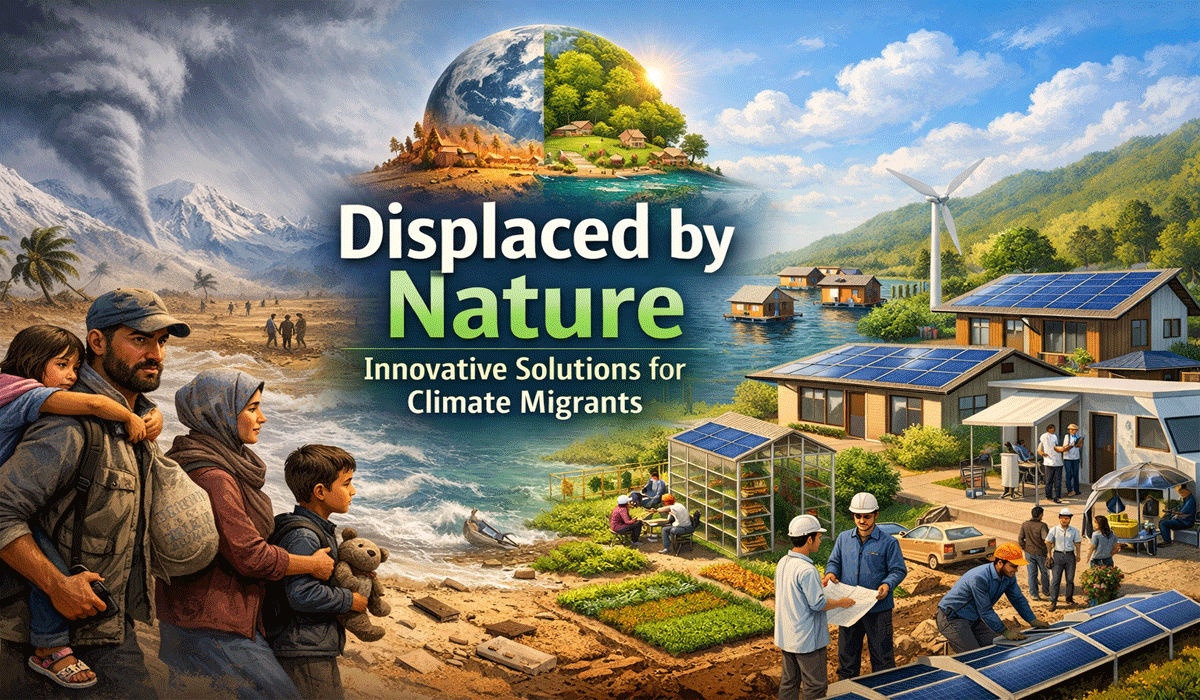

Discover how innovative housing, livelihood programs, and policies support climate migrants displaced by natural disasters worldwide.
Below, TEACHING will provide some explanations regarding Reinventing Learning Systems for an Innovation-Driven Future.
Understanding the Climate Migration Crisis
Climate change has emerged as one of the most pressing global challenges of the 21st century, triggering natural disasters that force communities to leave their homes. Rising sea levels, prolonged droughts, and increasingly intense storms are displacing millions each year. According to the Internal Displacement Monitoring Centre, more than 20 million people were forced to move due to climate-related events in 2023 alone.
The plight of climate migrants is not limited to immediate physical threats; it also encompasses socioeconomic and psychological challenges. Displaced populations frequently struggle to access basic necessities such as clean water, shelter, and healthcare, while also grappling with the loss of livelihoods and community networks.
Innovative Housing Solutions
One of the most urgent needs for climate migrants is safe and sustainable housing. Traditional refugee camps often fail to provide adequate protection from environmental hazards, leaving displaced populations vulnerable to further harm. In response, architects and humanitarian organizations are designing innovative housing models that prioritize both resilience and mobility.
Beyond mobility, climate-resilient housing incorporates features such as elevated foundations in flood-prone areas, solar-powered utilities, and rainwater harvesting systems. These designs not only safeguard residents but also reduce the ecological footprint of temporary settlements. By combining technology, sustainability, and community participation, such housing solutions provide more than just shelter—they create spaces where displaced individuals can regain a sense of stability and dignity.
Read Also: Environmental Migration: Solutions in the Era of Climate Change
Employment and Livelihood Programs
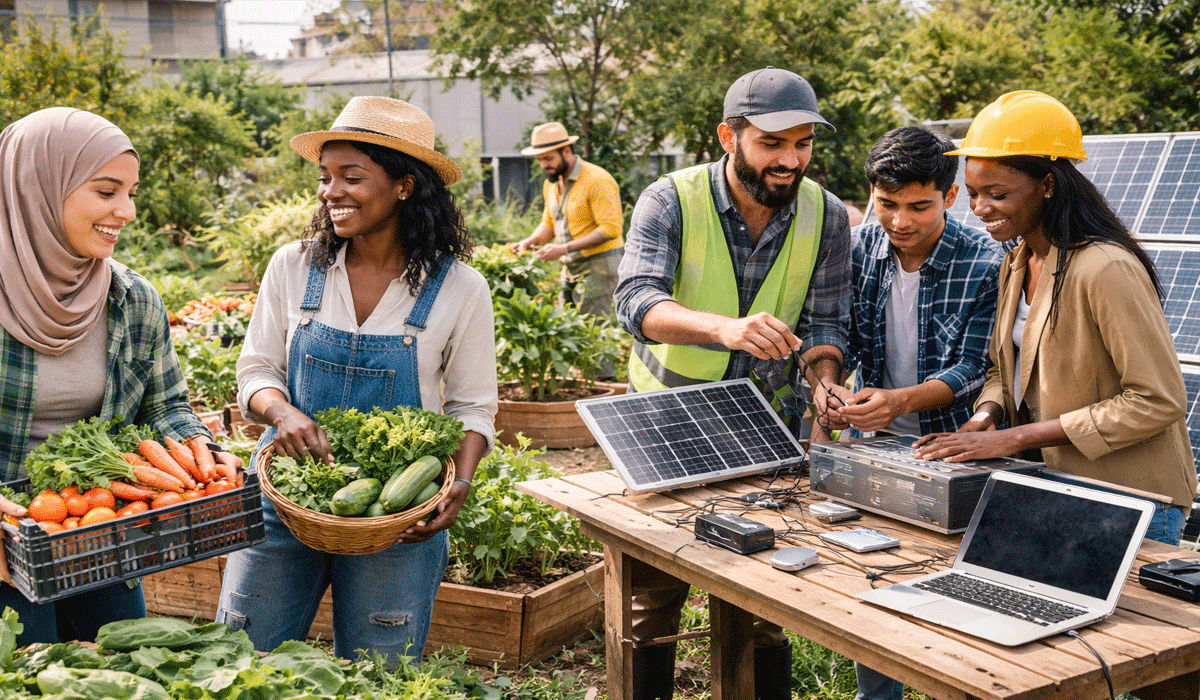
Securing stable income opportunities is essential for climate migrants to rebuild their lives and integrate into new communities. Innovative programs are emerging that link displaced populations with training and employment opportunities tailored to their skills and local market needs. Digital platforms, for example, are connecting climate migrants with remote work, freelance opportunities, and skill-building initiatives, helping them generate income without being tied to a specific location.
In parallel, organizations are promoting community-based economic initiatives such as urban farming, renewable energy projects, and small-scale craft enterprises. These programs not only provide financial stability but also foster social cohesion and resilience. By empowering climate migrants to actively participate in local economies, such initiatives mitigate dependency on aid and enable migrants to contribute meaningfully to their new communities.
Policy and Legal Innovations
Addressing the climate migration crisis requires robust policy frameworks and legal recognition for displaced populations. Many nations lack formal mechanisms to protect climate migrants, leaving them vulnerable to exploitation and statelessness. To counter this, international organizations and governments are exploring new legal categories, such as “climate refugee” status, which would grant migrants access to rights and services similar to those provided to conventional refugees.
Policy innovations also include cross-border cooperation and regional relocation schemes that anticipate displacement patterns rather than reacting to emergencies. Proactive measures, such as integrating climate adaptation strategies into urban planning and investing in resilient infrastructure, reduce the risk of future displacements.
For the latest and most interesting related information, you can also click the TEACHING link.
Image Source:
First Image from makzus.info
Second Image from www.liputan6.com