Environmental migration in the era of global climate change forces humans to move for survival, facing complex new challenges.
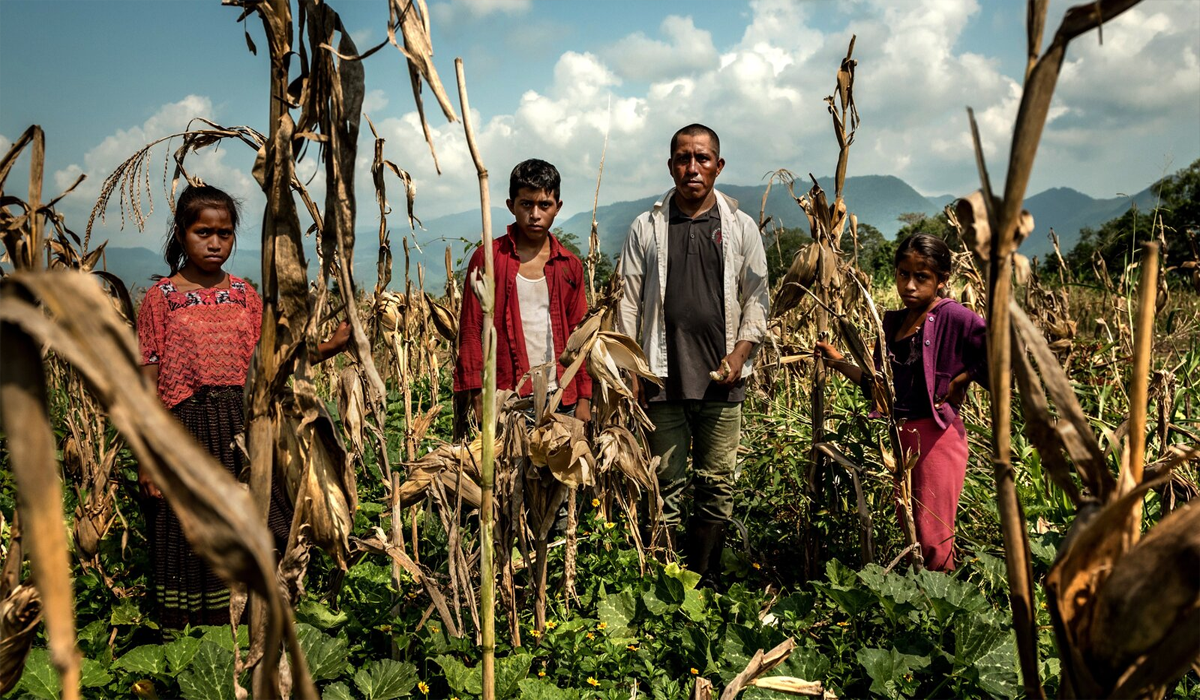
Global climate change has become one of the greatest challenges of this century, impacting various aspects of human life. Its impacts are not only visible in rising global temperatures, extreme weather, or melting polar ice caps, but also in the movement of people from one region to another. This phenomenon is known as environmental migration, the movement of people triggered by environmental damage and climate change.
Defining Environmental Migration in the Modern Era
Environmental migration is the movement of people that occurs due to changes in environmental conditions that no longer support adequate life. In the modern era, this phenomenon has become increasingly common due to increasingly unstable climate change.
Not only major disasters such as floods or storms, but also long-term changes such as drought and rising sea levels have driven people from their homes. This migration can be temporary or permanent, depending on the level of environmental damage in the region of origin.
The Impact of Climate Change on Human Life
Climate change places significant pressure on human life, especially in areas prone to natural disasters. Rising global temperatures cause erratic rainfall patterns, causing some regions to experience severe drought while others are hit by floods.
This situation disrupts the agricultural sector, clean water availability, and housing security. As a result, many people are forced to seek new, safer areas to continue their lives, making migration the only option.
Factors Driving Environmental Migration
Various factors drive environmental migration. One of the main factors is ecosystem damage caused by human activities such as deforestation and pollution. Furthermore, sea level rise threatens coastal areas and small islands, which are at risk of submersion.
Increasingly frequent natural disasters also accelerate population displacement. In many cases, economic and social factors exacerbate the situation, as communities lose their livelihoods due to environmental changes.
Also Read: Environmental Migration: Between Adaptation and Life’s Uncertainty
Social and Economic Impacts of Environmental Migration
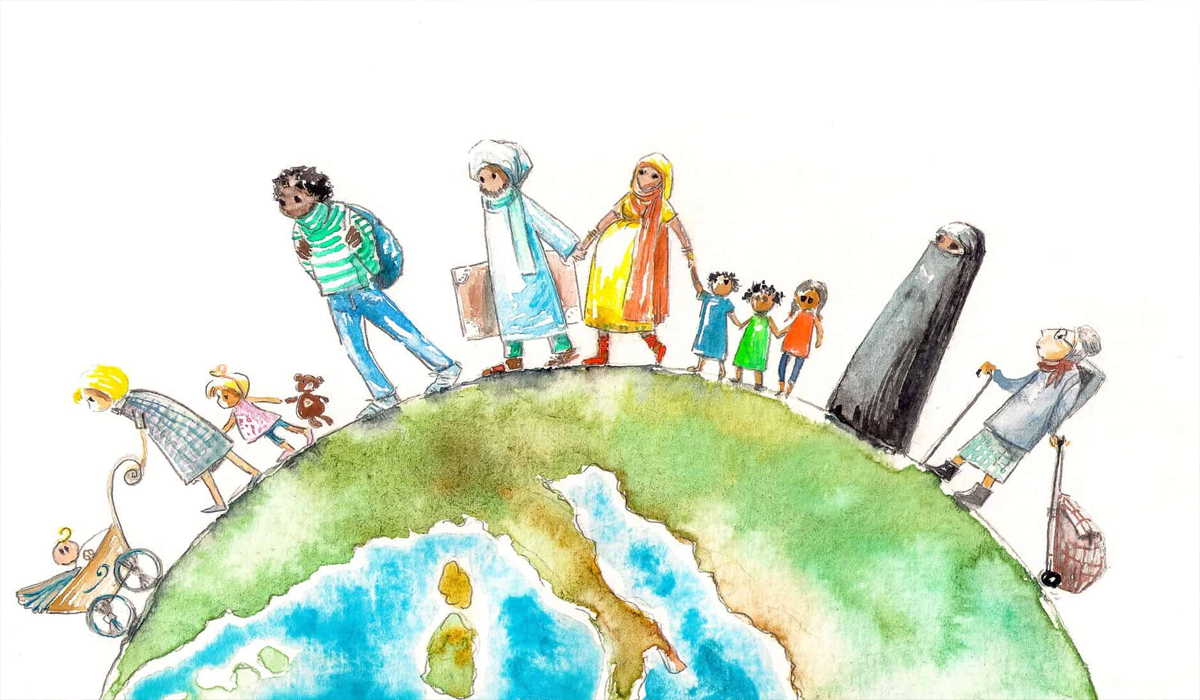
Environmental migration impacts not only the individuals who move, but also the areas they move to and leave behind. In destination areas, population growth can put pressure on infrastructure, health services, and employment opportunities.
Meanwhile, regions of origin are experiencing a decline in the number of productive residents, which can slow local economic growth. Furthermore, cultural differences and competition for resources can also create social tensions if not managed properly.
The Role of Government and Adaptation Policies
The government has a crucial role in addressing the phenomenon of environmental migration. Climate change adaptation policies need to be implemented to mitigate the impacts. This includes the development of disaster-resistant infrastructure, sustainable management of natural resources, and providing assistance to affected communities.
Furthermore, sound spatial planning is necessary so that population movements can be managed in a more targeted manner and do not create new problems in the destination areas.
Long-Term Solutions to Reduce Environmental Migration
Reducing environmental migration cannot be achieved instantly but requires a long-term strategy focused on environmental sustainability. Climate change mitigation efforts such as reducing carbon emissions, using renewable energy, and preserving forests are crucial steps that must be taken globally.
Furthermore, public education about the importance of environmental protection also plays a significant role in preventing further damage that could trigger migration.
Environmental migration in the era of global climate change is an increasingly real and unavoidable phenomenon. Human displacement due to environmental damage demonstrates the profound impact of climate change on life. However, with proper understanding, appropriate policies, and global cooperation, the negative impacts of this migration can be minimized.