Smart solutions to environmental migration include adaptation, risk mitigation, resource management, and sustainable strategy planning.
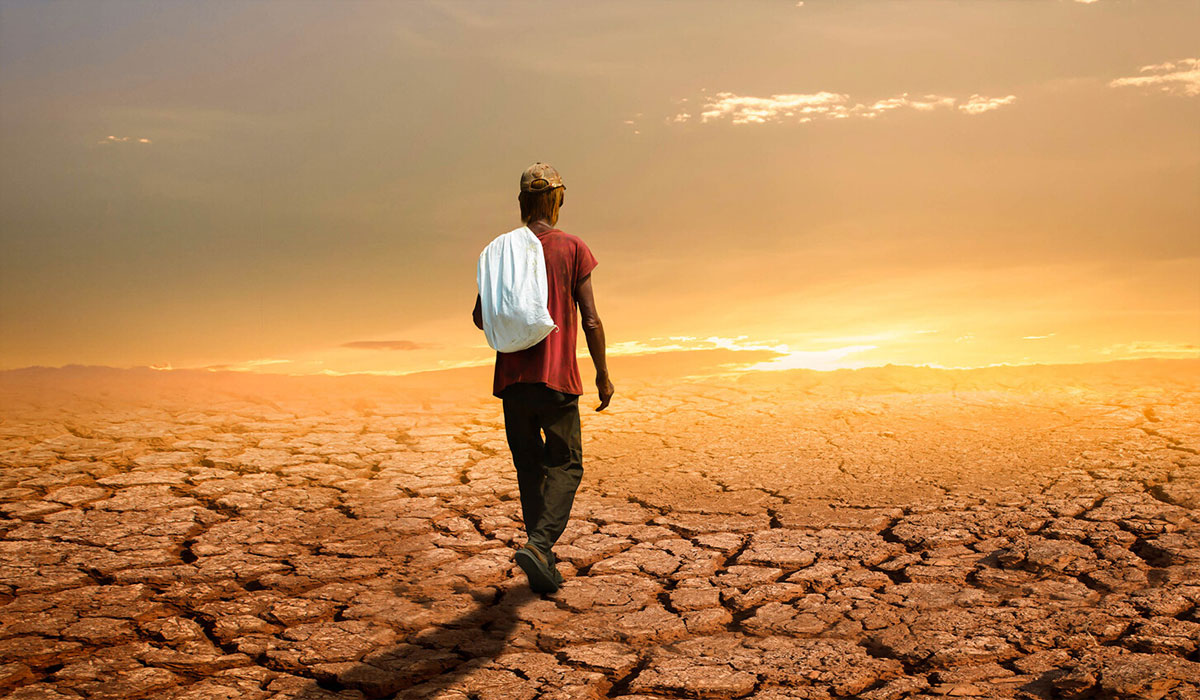
Environmental migration is becoming an increasingly visible global phenomenon due to climate change, resource degradation, and increasingly frequent natural disasters. This phenomenon forces millions of people to leave their homes and seek new lives in safer locations. Addressing environmental migration requires smart strategies, encompassing policy, technology, and social adaptation.
Understanding Environmental Migration and Its Triggers
Before discussing solutions, it is important to understand what environmental migration is. Environmental migration is the movement of people due to environmental factors, whether gradual, such as sea level rise or deforestation, or sudden, such as floods, droughts, and extreme storms. These triggers can impact the economy, society, and health of communities.
A thorough understanding of the causes of environmental migration helps governments, organizations, and local communities develop appropriate strategies for mitigation and adaptation.
In addition to natural factors, socioeconomic conditions are also a major determinant of migration. Communities with less access to education, resources, or infrastructure tend to be more vulnerable. Therefore, smart solutions must consider both environmental aspects and the community’s capacity to cope with risks.
Strengthening Adaptive Policies and Infrastructure
One key solution is strengthening proactive government policies. Adaptive policies can include the development of disaster-resistant infrastructure, land use regulations, and planned relocation programs for communities living in disaster-prone areas. Infrastructure such as embankments, drainage systems, and green buildings can minimize the direct impact of natural disasters.
Furthermore, the government can implement spatial planning that prioritizes sustainability and environmental resilience. For example, developing new residential areas with access to clean water, renewable energy, and environmentally friendly transportation systems will reduce the risk of migration triggered by environmental damage. Such holistic policies ensure that solutions are not only short-term but also sustainable.
Also Read: Exploring Environmental Migration: Social and Economic Impacts
Community Capacity Building and Environmental Awareness

Smart solutions must also directly involve the community. Education about climate change, sustainable agricultural practices, and disaster preparedness helps communities adapt to a changing environment. Communities with adaptive knowledge and skills are better able to cope with extreme situations without having to leave their homes.
Local training and empowerment programs, for example those related to climate-resilient agriculture or water conservation, can also increase economic resilience. With a stable source of income, communities have a greater capacity to remain in their areas despite environmental pressures. Community awareness and active participation are key to the success of long-term adaptation strategies.
Utilizing Technology for Mitigation and Adaptation
Technology plays a crucial role in addressing environmental migration. Weather monitoring, early warning systems, and GIS-based risk mapping help governments and communities take preventative measures.
Modern agricultural technology also enables more efficient food production despite climate change, thereby reducing migration pressures caused by resource shortages. Furthermore, innovations in renewable energy and waste management can help mitigate the environmental impacts that trigger displacement.
Smart cities with green transportation systems, intelligent water management, and data-driven planning increase community resilience to migration caused by environmental degradation. Utilizing technology with appropriate strategies makes solutions faster, more accurate, and more sustainable.
Global Collaboration and Multistakeholder Support
Environmental migration is a global issue that requires international collaboration. Support from international agencies, non-governmental organizations, the private sector, and local governments is crucial. Assistance in the form of funds, technology, and knowledge can strengthen communities’ capacity to remain in their areas or support planned relocation. Furthermore, cooperation between countries in sharing information on climate adaptation and disaster mitigation helps create more effective strategies.
A multistakeholder approach ensures that each solution takes into account comprehensive environmental, social, and economic aspects. With global coordination, the impacts of environmental migration can be better managed and risks to vulnerable populations minimized.
Addressing environmental migration requires intelligent, multidimensional solutions. Understanding the drivers, strengthening policies and infrastructure, empowering communities, leveraging technology, and global collaboration are key pillars of an effective strategy.